- +27 11 818 5955
- info@delba.co.za
- 91 Butler Road, Nuffield, Springs, Gauteng
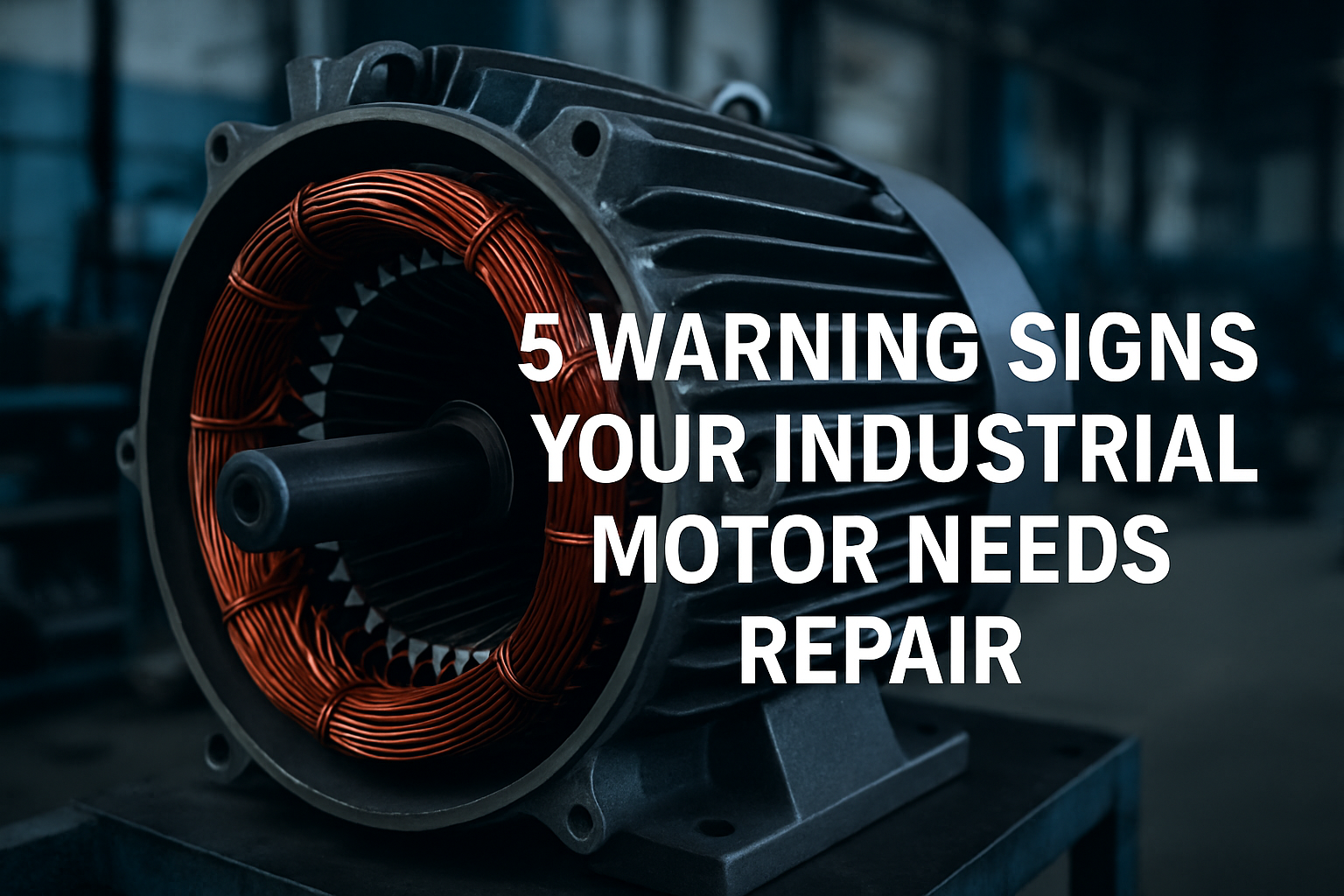
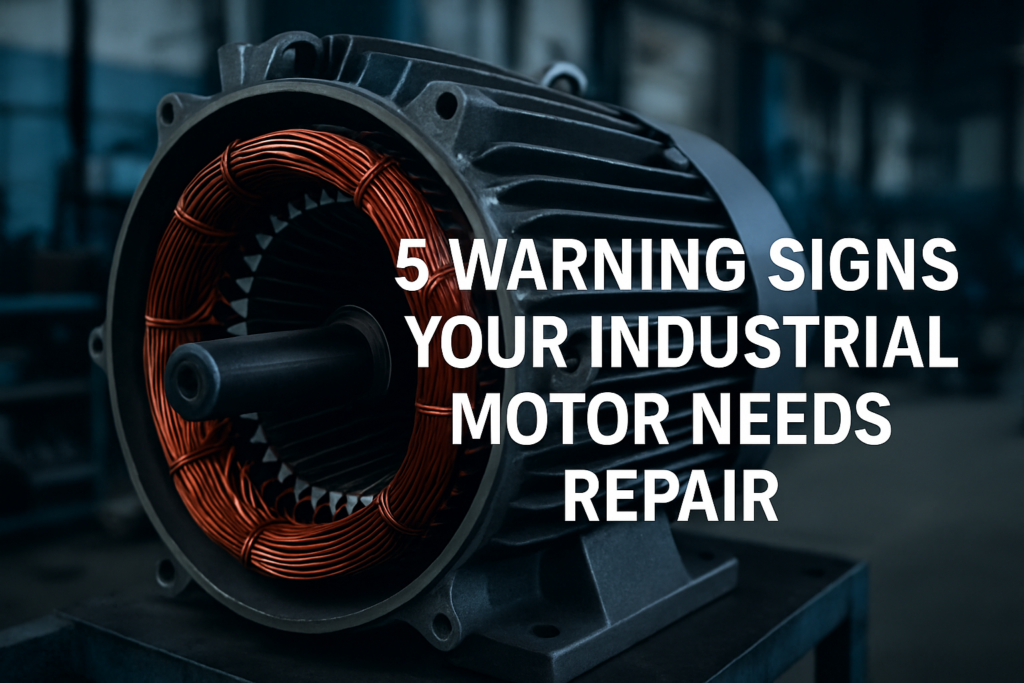
5 Warning Signs Your Industrial Motor Needs Repair Before It Fails Completely
Industrial motors rarely fail without warning. Long before a motor grinds to a halt on the factory floor, it sends out signals: a strange vibration, a shift in sound, a spike in temperature. The problem is that most of these signals get ignored until it’s too late, and by then, what could have been a straightforward repair becomes a full replacement, a production stoppage, and a much bigger bill.
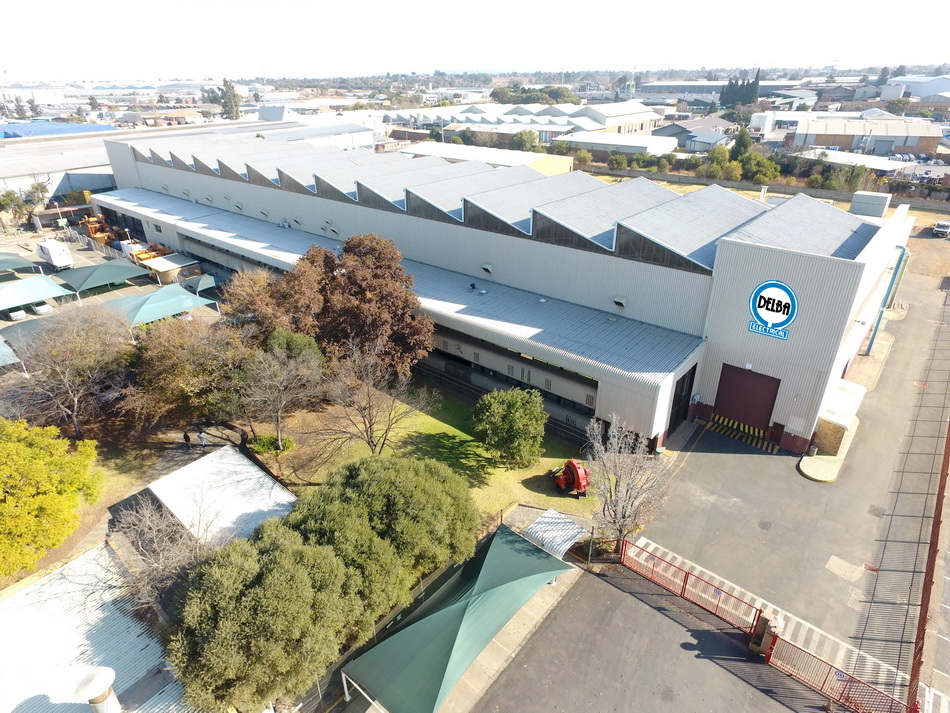
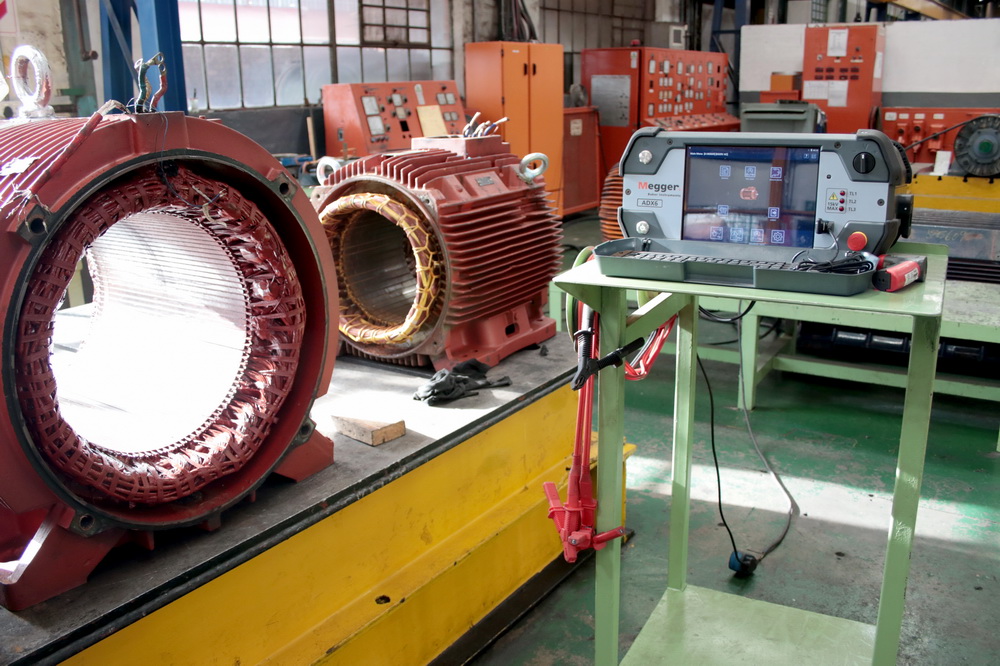
At Delba Electrical, we’ve built our reputation as Gauteng’s leading industrial electrical repair specialist by helping plant managers and maintenance teams catch these warning signs early. Operating from our Springs base and our dedicated repair factory in Alrode, we’ve seen firsthand how a motor’s early symptoms tell an accurate story, if you know what to look for.
Here are the five warning signs that mean your motor needs professional attention now, not later.
Unusual Vibration
A healthy motor runs smoothly. When vibration levels start creeping up, it usually points to something specific: bearing wear, rotor imbalance, misalignment, or a loose mounting. Left unchecked, vibration accelerates wear on every component connected to that motor, turning a simple bearing replacement into a full rewind or rotor repair.
If you can feel or hear a change in how a motor runs, don’t wait for it to get worse. Vibration analysis and inspection at this stage is far cheaper than replacement further down the line.
Overheating
Motors generate heat as part of normal operation, but a motor that’s running hotter than usual is telling you something is wrong. Overheating is commonly caused by overloading, poor ventilation, bearing failure, or insulation breakdown. Insulation is particularly critical, once it degrades from sustained heat exposure, the risk of a winding failure increases sharply.
Regular temperature checks, especially on motors running continuous shifts, can catch this early. If a motor is consistently hot to the touch or tripping thermal protection, it needs to come off the line for inspection.
Strange Noises
Grinding, screeching, humming, or knocking sounds are never normal. Each type of noise tends to point to a different underlying issue, worn bearings, loose components, electrical faults, or rotor problems. The tricky part is that noise often starts subtly and gets dismissed as “just how the machine sounds.”
Experienced technicians can often diagnose a developing fault just from the sound a motor makes. If something sounds different to how it did a few months ago, it’s worth having it assessed before that noise turns into a breakdown.
Frequent Tripping or Circuit Breaker Issues
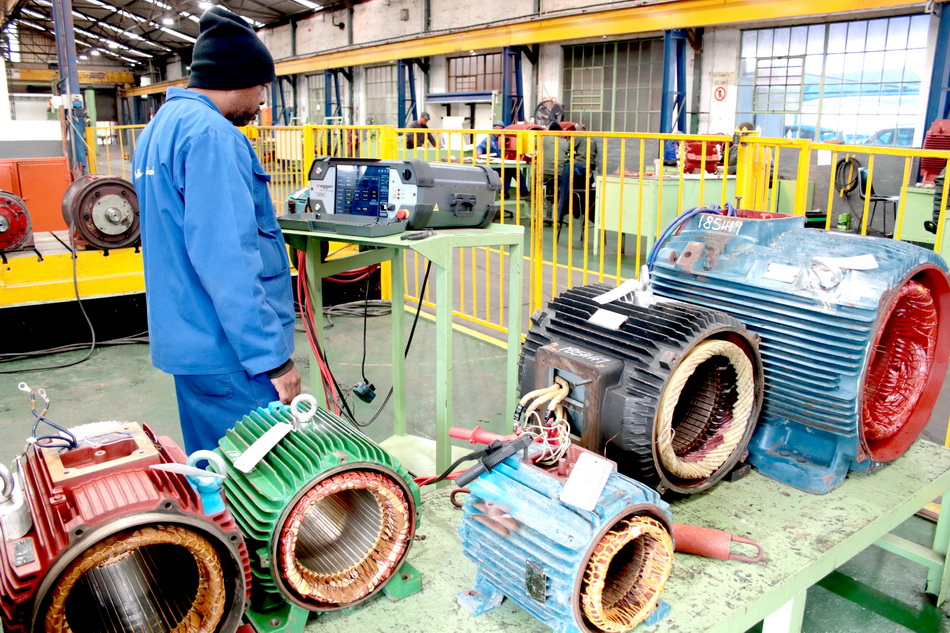
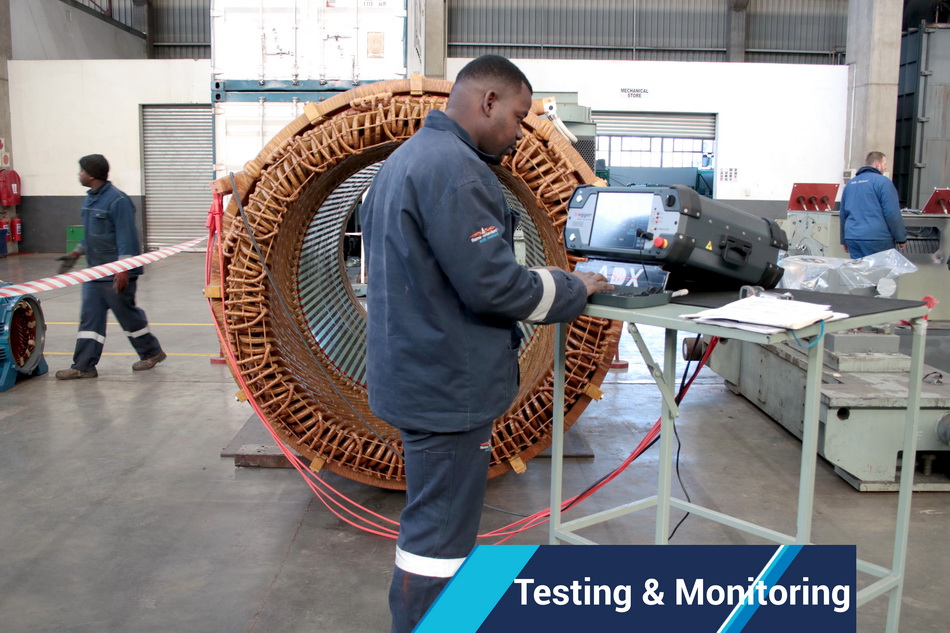
If a motor’s circuit breaker or overload protection is tripping more often than it used to, that’s not a nuisance to work around, it’s a symptom. Repeated tripping can indicate overloading, winding faults, insulation breakdown, or a developing short circuit.
Resetting the breaker and moving on is a short term fix that ignores a real problem. Persistent tripping means the motor’s electrical integrity needs to be tested properly.
Reduced Performance or Efficiency
A motor drawing more current than it should, running slower, or struggling to maintain load are all signs that something inside has degraded. This kind of gradual performance drop is easy to miss on a busy production line, but it directly affects energy costs and output.
If a motor that used to handle a task easily is now straining, don’t assume it just needs replacing. In many cases, a proper diagnosis and repair restores it to full efficiency at a fraction of the cost of a new unit.
Why Catching These Signs Early Matters
Every one of these warning signs has the same underlying message: address it now, while it’s still a repair, not later, when it becomes a replacement or an unplanned production stoppage. Industrial downtime is expensive, and in most cases, entirely avoidable with the right maintenance approach and a repair partner who knows what to look for.
This is exactly where Delba Electrical leads the industry. Our team doesn’t just fix motors when they fail, we help clients build maintenance routines that catch these five warning signs before they escalate. With full in-house repair capability at our Alrode factory and rapid response from our Springs operation, we give Gauteng’s manufacturers, mining operations, and industrial plants a repair partner who protects uptime, not just one who reacts to breakdowns.
Noticed one or more of these warning signs on your equipment? Contact Delba Electrical today for a professional assessment before a repairable fault turns into a costly replacement.
Categories
Have Any Question?
DELBA Electrical has specialised in the repair, rewind and manufacture of electrical rotating machines since 1963.
- +27 11 818 5955
- info@delba.co.za
Keep your plant
turning.
Contact Us
Springs (head office)
- 91 Butler Road, Nuffield, Springs, Gauteng
- +27 11 818 5955
- info@delba.co.za
Alrode
- 4 Clarke Street, Alrode, Alberton, Gauteng, 1450
- info@delba.co.za
DELBA Electrical has specialised in the repair, rewind and manufacture of electrical rotating machines since 1963. Workshop and field services cover motors, generators and pumps, including VPI, coil manufacture, rotor balancing, machining and finishing